Skip to content

Table of Contents
Fine lines, acne scars, uneven texture, and loss of firmness can all make skin look older and less refreshed. Treatments like microneedling, RF microneedling, and laser skin resurfacing are designed to improve these concerns in different ways.
Rather than treating this as a quick decision between treatments, it helps to understand what each option is commonly used for and why a professional skin assessment matters. A consultation allows your provider to evaluate your skin tone, texture, concerns, history, and goals before recommending the most appropriate treatment plan.
Can microneedling and laser skin resurfacing be combined?
Yes, microneedling and laser skin resurfacing can sometimes be combined as part of a customized treatment plan, depending on the patient’s skin concerns, recovery tolerance, and provider recommendations.
How Microneedling and Laser Resurfacing Work
Microneedling uses very fine needles to create tiny controlled punctures in the skin. These microchannels signal the body’s repair process, supporting new collagen and elastin over time. Because of this, microneedling is often described as a collagen stimulation treatment for texture, pores, fine lines, acne scars, and early firmness changes.
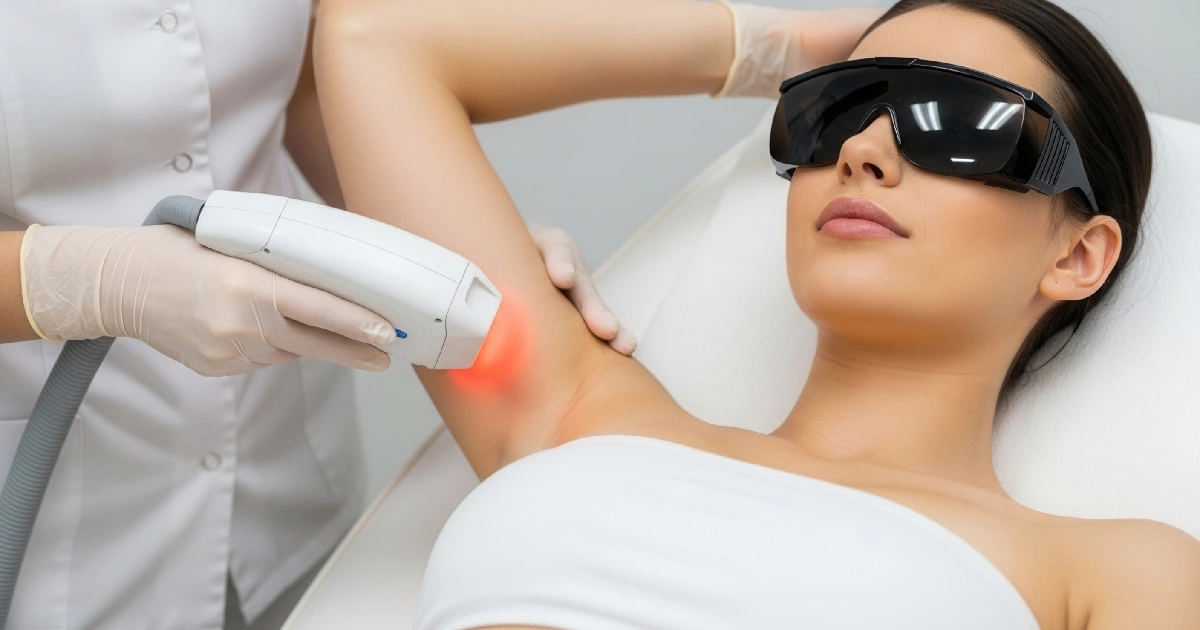
Laser skin resurfacing uses light-based energy to treat the skin. Depending on the type of laser, it may remove damaged outer layers, heat targeted areas, or encourage new skin growth. More intensive laser treatments can be helpful for deeper sun damage, etched lines, and more dramatic resurfacing goals, but they may involve more peeling, redness, and downtime.
RF microneedling combines microneedling with radiofrequency energy. The needles reach targeted depths while RF energy delivers heat below the surface. Treatments such as Sylfirm X are often considered when patients want a skin tightening treatment that can provide texture improvement along with firmer-looking skin.
Fine Lines, Wrinkles, and Collagen Support
Fine lines can develop from collagen loss, sun exposure, repeated facial movement, and natural aging. Microneedling may be a good starting point for early lines, crepey texture, and overall skin quality because it encourages gradual collagen remodeling.
Laser resurfacing may be considered for more visible lines, especially when surface damage is a major concern. Some patients choose lasers when they want stronger resurfacing and are comfortable with more recovery.
Fine lines and wrinkles can vary in depth, location, and cause, which is why a consultation is important before selecting a treatment plan. A patient with mild fine lines and dull texture may be guided toward microneedling or RF microneedling, while someone with deeper etched lines may need a more intensive resurfacing approach.
Acne Scars Are Not All the Same
Acne scars are not all the same. Some are shallow and textural. Others are deeper, pitted, or uneven. Microneedling is commonly used for acne scars because it supports collagen formation within the skin. It can help soften the appearance of certain scars gradually through a series of treatments.
Laser resurfacing can also be helpful for acne scarring, especially when uneven surface texture is the main issue. However, laser settings, skin tone, and pigmentation history matter. Some patients may need a gentler plan to reduce the risk of discoloration.
For patients who want scar improvement without aggressive surface resurfacing, RF microneedling may be a strong option. Devices like Sylfirm X allow providers to treat below the surface while still supporting texture and firmness changes.
During a skin assessment, your provider can examine the type of acne scarring present and explain which treatment options may be appropriate.
Firmer-Looking Skin Starts Beneath the Surface
Skin laxity often needs more than surface exfoliation. When the concern is mild looseness, softening jawline definition, or thinner-looking skin, a treatment that supports deeper remodeling may be more appropriate.
This is where RF microneedling can fit well. By combining needle depth with radiofrequency energy, it may support firmer-looking skin over time. It is not the same as surgery, and it should not be presented as a replacement for a lift, but it can be part of a skin-tightening treatment plan for patients with mild to moderate concerns.
Laser resurfacing may improve skin quality and some tightness, especially when collagen response is triggered by heat. Still, the best option depends on where laxity appears and how much improvement the patient expects.
Tone, Sun Damage, and Pigment Concerns Need Careful Planning
Uneven tone can come from sun exposure, pigmentation, redness, old acne marks, or a mix of issues. Lasers are often used for certain pigment and sun damage concerns, but not every skin type responds the same way. More heat or aggressive settings can increase the chance of pigmentation changes in some patients.
Microneedling may help improve overall tone and texture in a more gradual way. It is often chosen by patients who want skin renewal but prefer less surface disruption. RF microneedling may also be considered for certain tone and redness concerns, depending on the device, settings, and provider assessment.
This is one reason consultation matters. Treating brown spots, redness, melasma-prone skin, and acne marks requires different planning. The safest treatment is not always the most aggressive one.
If Downtime Is a Major Factor
Recovery often plays a big role in treatment choice. Traditional microneedling usually causes redness and mild sensitivity for a short period. Some patients look flushed for one to two days, with skin settling over the following week.
Laser recovery varies widely. Lighter lasers may involve redness and mild flaking. More aggressive resurfacing can cause peeling, swelling, crusting, and a longer period of visible healing.
Patients with work events, social plans, or limited time off may prefer microneedling, PRP-style treatments, or Sylfirm X because these options may fit better into a lower-downtime routine. Laser resurfacing may still be appropriate for the right candidate, but timing matters.
During consultation, your provider can talk through your schedule, comfort level, and recovery expectations before recommending treatment.
How to Choose the Right Direction
A good treatment plan starts with the main concern, not the trendiest device. For fine lines and texture, microneedling may be a practical starting point. For deeper resurfacing needs, laser skin resurfacing may be discussed. For firmness, texture, and collagen support, RF microneedling or Sylfirm X may be more aligned with the goal.
Patients looking for non-surgical skin rejuvenation should also consider recovery time, skin tone, pigmentation history, sensitivity, and comfort level with gradual results. Some patients would want a steady series of treatments with fewer interruptions. Others are open to more downtime for a stronger resurfacing approach.
During a consultation, your provider can assess skin tone, sensitivity, pigmentation history, scar type, texture, firmness, and downtime preferences. From there, microneedling, RF microneedling, Sylfirm X, laser skin resurfacing, or a combination approach may be discussed.
NUVO Aesthetics Clinic’s Approach to Microneedling in Sycamore, IL
At NUVO Aesthetics Clinic, microneedling in Sycamore, IL, is offered as a minimally invasive treatment designed to support smoother texture, firmer-looking skin, and overall rejuvenation. Microneedling, also called collagen induction therapy, uses fine needles to create tiny punctures in the skin. This process helps activate the body’s natural healing response and supports increased collagen and elastin production.
This treatment may be used to address fine lines and wrinkles, enlarged pores, acne scars, uneven skin tone, sun damage, and facial texture concerns. Our team also offers advanced regenerative options during microneedling facial procedures, including highly purified PDRN derived from salmon DNA. These molecules are compatible with human tissue and are used to support hydration, repair, and skin rejuvenation.
For patients who prefer a more amplified treatment, Ariessence PDGF, a lab-created platelet-derived growth factor, may be used instead to support skin healing and rejuvenation. Results often begin to appear within a few weeks, with continued improvement as collagen remodeling progresses. Most patients experience mild redness for one to two days, and full recovery is typically achieved within a week. Collagen production can continue improving for up to three months after each session.
Book your RF microneedling today for smoother, firmer, more radiant skin.
Frequently Asked Questions
Is microneedling or laser resurfacing better for acne scars?
Microneedling and laser resurfacing can both improve acne scars, but the right treatment depends on scar depth, skin tone, and downtime preferences.
How long does recovery take after microneedling or laser resurfacing?
Microneedling typically involves mild redness for a few days, while laser resurfacing may require a longer recovery period depending on treatment intensity.
What is the difference between traditional microneedling and RF microneedling?
Traditional microneedling focuses on collagen induction through controlled micro-injuries, while RF microneedling adds radiofrequency energy for deeper skin remodeling.