Skip to content

Table of Contents
Acne scars have a way of lingering long after the breakouts fade, and choosing the right treatment can feel overwhelming. The best option depends on your scar type, skin tone, and how much downtime you can take, which is why laser resurfacing, chemical peels, and microneedling each have a place.
At NUVO Aesthetics Clinic, we offer all three to help patients in Sycamore, IL, find the right fit. Here is how they compare so you know what to ask at a consultation.
Can microneedling help with acne scars, or do I need laser resurfacing or a chemical peel?
The right choice depends on your scar type. Microneedling can help with rolling scars and milder texture by stimulating your own collagen, while laser resurfacing like the ProFractional often works best for deep, pitted scars, and chemical peels tend to help discoloration and post-acne marks. Because skin usually has a mix of scar types, a provider looks at your scars and skin tone together to find the right fit.
Quick Snapshot: Laser Resurfacing, Chemical Peels, and Microneedling
Each treatment smooths acne scars differently.
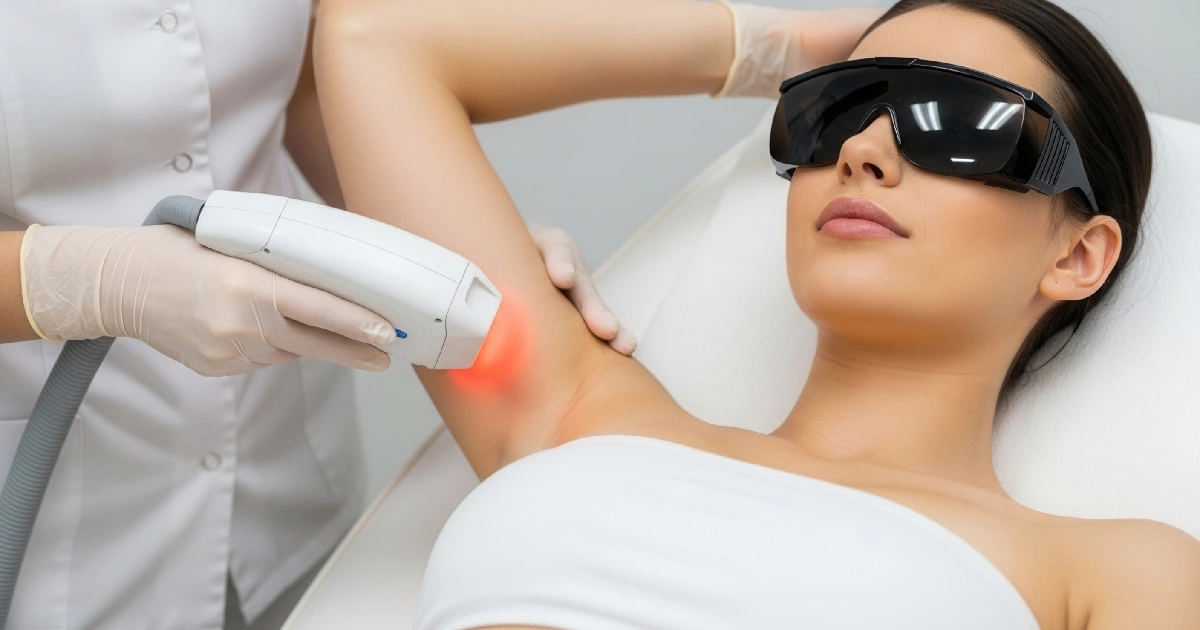
- Laser resurfacing uses devices like the ProFractional and Micro Laser Peel by Sciton to remove precise columns or a thin layer of skin, prompting deeper tissue to remodel.
- Chemical peels apply a solution that exfoliates damaged skin so fresher skin surfaces, with options from traditional peels to BioRePeelCl3 and the Perfect Derma Peel.
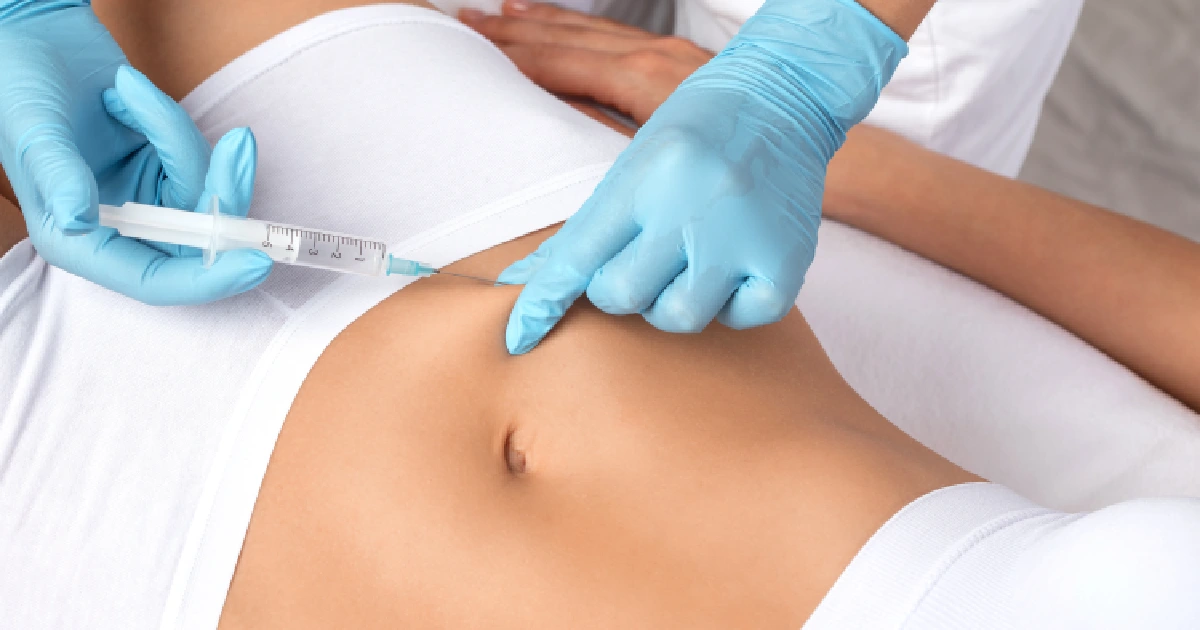
- Microneedling creates controlled micro-injuries with fine needles to stimulate your own collagen, and it can be paired with PDRN or Ariessence PDGF for added support.
All three aim to improve scarred skin, but they differ in intensity, mechanism, and recovery.
Which Option Fits Which Type Of Acne Scar
The type of acne scar you have is the biggest factor in which treatment works best, so matching the method to the scar matters most.
- Deep, pitted, or boxcar scars often respond best to ablative laser resurfacing, since a treatment like the ProFractional laser reaches the deeper tissue where these scars form. This is where laser resurfacing for acne scars shows its strength.
- Rolling scars and milder texture can improve with microneedling for acne scars, as collagen stimulation gradually softens and fills shallow indentations.
- Discoloration and post-acne marks, the spots left behind rather than true scars, often respond to chemical peels for acne scars that lift pigment as skin renews.
Here is the catch: skin rarely has just one scar type. With a mix of pitted scars, rolling texture, and discoloration, no single winner exists, which is why the laser vs microneedling for acne scars question rarely has a clean answer.
Differences In Downtime And Recovery
Downtime differs the most, and it usually tracks with how deeply each treatment works.
- Laser resurfacing recovery ranges from about one to seven days with the ProFractional laser depending on depth, while the Micro Laser Peel, sometimes called the weekend peel, usually involves three to four days.
- Chemical peel downtime depends on the peel, with the Perfect Derma Peel shedding over three to four days and BioRePeelCl3 avoiding the visible peeling a traditional peel involves.
- Microneedling tends to be gentlest on your calendar, with mild redness that usually settles within one to two days.
If minimal downtime is your priority, microneedling is often the easiest place to start.
Differences In Results And How Many Sessions You Need
Laser resurfacing generally produces the most noticeable change in the fewest sessions for the right candidate, while chemical peels and microneedling build results gradually across a series.
Microneedling and chemical peels are typically done as a series, not a one-time fix, and with microneedling collagen remodeling continues for up to three months after each session. Laser resurfacing can deliver a more dramatic reduction in fewer treatments for patients who can plan around the recovery.
Results vary by skin type, age, scar severity, and skincare routine. No treatment erases scars entirely, but the right one can make a real, visible difference.
How Skin Type Affects Your Options
Your skin tone plays a real role in which treatment is safe and effective, and this is not one-size-fits-all. Providers use the Fitzpatrick skin type scale, a classification from I (very fair) to VI (very dark), to guide the decision.
Some ablative lasers call for extra consideration on deeper skin tones, so a provider evaluates this individually rather than applying a blanket rule.
BioRePeelCl3 is described as suitable for a wide range of skin types and for both men and women, though it is not recommended during pregnancy or breastfeeding, or with active cold sores, open wounds, or certain allergies. Your provider confirms it is a good fit first.
A consultation comes first because a proper skin type assessment protects your results and your safety.
How A Provider Helps You Choose (And Whether You Can Combine Treatments)
A provider helps you choose by looking at your scar type, skin tone, downtime tolerance, and goals together, not any one factor alone. Sometimes the right approach is more than one treatment.
Combination plans are common in acne scar care. Pairing modalities, such as microneedling for texture followed by a peel for tone, can address scar types a single method would miss. Deciding between microneedling or laser resurfacing is often less about choosing one and more about sequencing them well.
For patients who want stronger healing support, we may discuss an amplified microneedling option using Ariessence PDGF, a lab-created platelet-derived growth factor. The evidence for this enhancement is still developing, so we frame it as an option a provider evaluates rather than a guaranteed upgrade.
A consultation is where this comes together, matching the science to your skin.
Common Questions About Treating Acne Scars
A few questions come up often when patients are choosing a treatment.
1. Do these treatments work on old scars?
Yes, older scars can still improve, though long-standing or deep scars often need a series or a combination approach.
2. Is one option more uncomfortable than the others?
Comfort varies. Laser resurfacing is generally the most intense of the three, while microneedling and lighter peels tend to be more tolerable.
3. How soon after a breakout should I start?
It is best to wait until active breakouts have calmed before starting any acne scar removal treatment, since working on inflamed skin can irritate it further.
Finding the Right Fit for Your Skin at NUVO
Choosing between laser resurfacing, chemical peels, and microneedling is less about which is universally best and more about which fits your scars, your skin, and your life. If you are ready to find out which makes sense for you, the team at NUVO Aesthetics Clinic offers microneedling in Sycamore, IL, along with laser and peel options. Book a Laser Resurfacing or Chemical Peel Consultation, and let’s find the path to smoother, clearer skin.