Skip to content

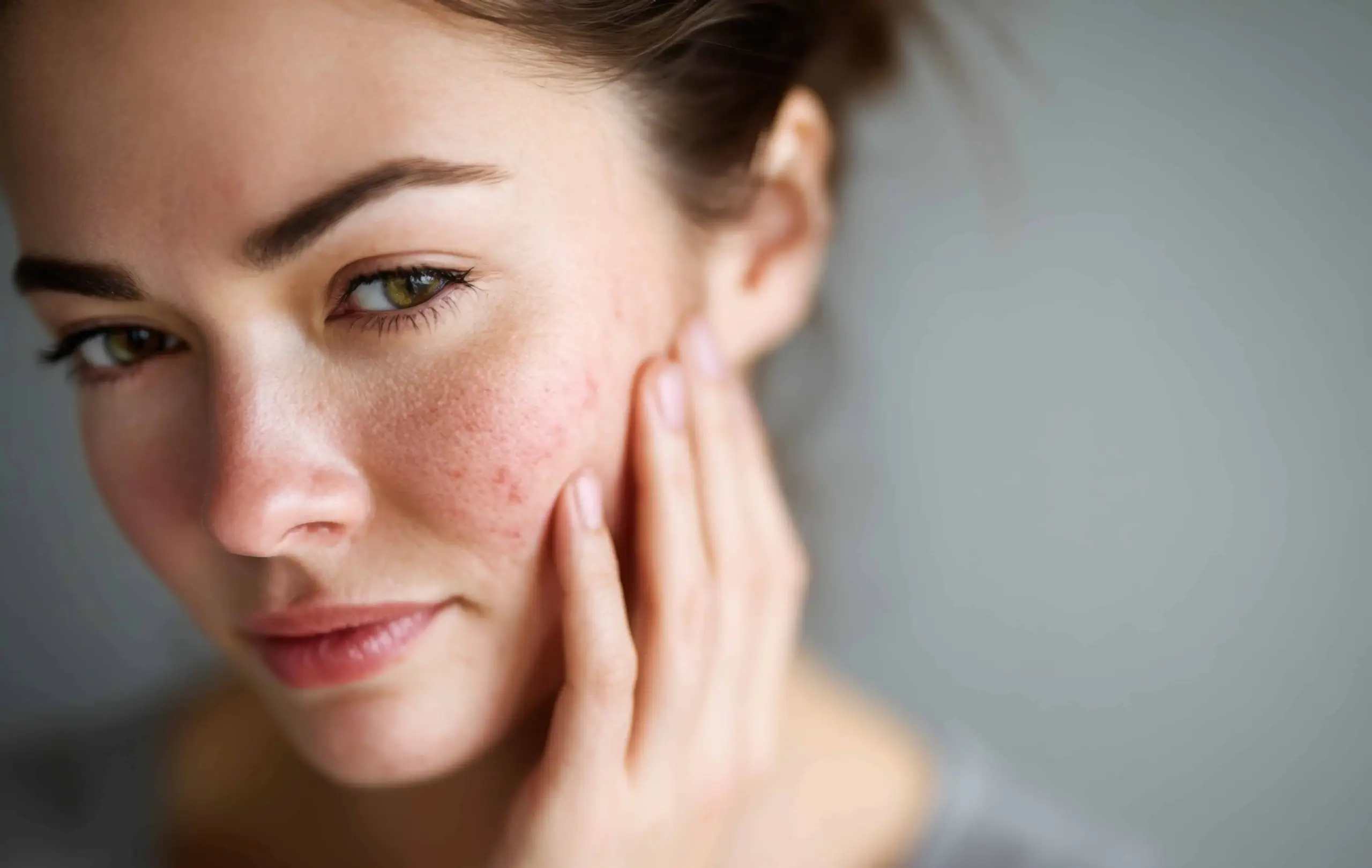
Table of Contents
Most winter redness comes from blood vessels reacting to temperature swings and a skin barrier dried out by wind and indoor heat, and the right treatment depends on which of those, or another cause, is behind it. You come inside after a few minutes of wind blowing across the open fields of DeKalb County and wait for your cheeks to settle. Twenty minutes later, they’re still pink. If facial redness in cold weather seems more stubborn every year, you’re not imagining it.
At Nuvo Aesthetics Clinic, we hear the same question once Sycamore winters set in: why does the redness hang around long after you’ve warmed up?
Why Does My Face Stay Flushed After Coming In From Outside?
Facial redness often looks worse in winter because cold air narrows the blood vessels in your skin, and stepping into a warm room makes them widen quickly, which shows up as flushing. Wind and dry indoor heat also weaken the skin barrier, so irritation lingers. The right treatment typically depends on the cause, whether that’s rosacea, visible vessels, acne, or a stressed barrier.
What Makes Winter Redness Linger Longer for Some People?
For some people, that flush fades in minutes. For others, it lingers.
Repeated cycles of narrowing and widening strain small blood vessels. Over time, some stay dilated, so winter facial redness that once came and went starts to look constant. Low humidity and forced-air heat also speed up transepidermal water loss, so the skin barrier dries out and reacts faster.
A hot shower, a heated car, a cold parking lot, and a warm office add up to several temperature swings before lunch. People with rosacea-prone skin, or anyone dealing with sensitive skin redness in winter, typically feel those swings more.
Is It Rosacea, Broken Capillaries, or Something Else?
Redness on the face in winter can come from several sources, and each tends to leave its own pattern:
- Rosacea often shows up as flushing across the cheeks, nose, and chin, sometimes with small bumps.
- Broken capillaries, called telangiectasia, look like fine red lines that stay visible.
- Windburn or barrier irritation usually brings stinging, dryness, or patchy redness after time outdoors.
- Post-acne redness appears as pink or red marks where breakouts have healed.
- Sun damage can cause diffuse redness, often alongside brown spots.
Many people have more than one at once. Redness that itches, scales, spreads, or comes with other symptoms may point to eczema, dermatitis, or another medical issue that needs evaluation, not a cosmetic fix.
Which Redness Treatment Fits Which Cause?
The right facial redness treatment is the one matched to what’s actually driving the redness. The clinic’s page on treatment options for facial redness covers rosacea in more depth.
Diffuse Redness and Flushing Linked to Rosacea
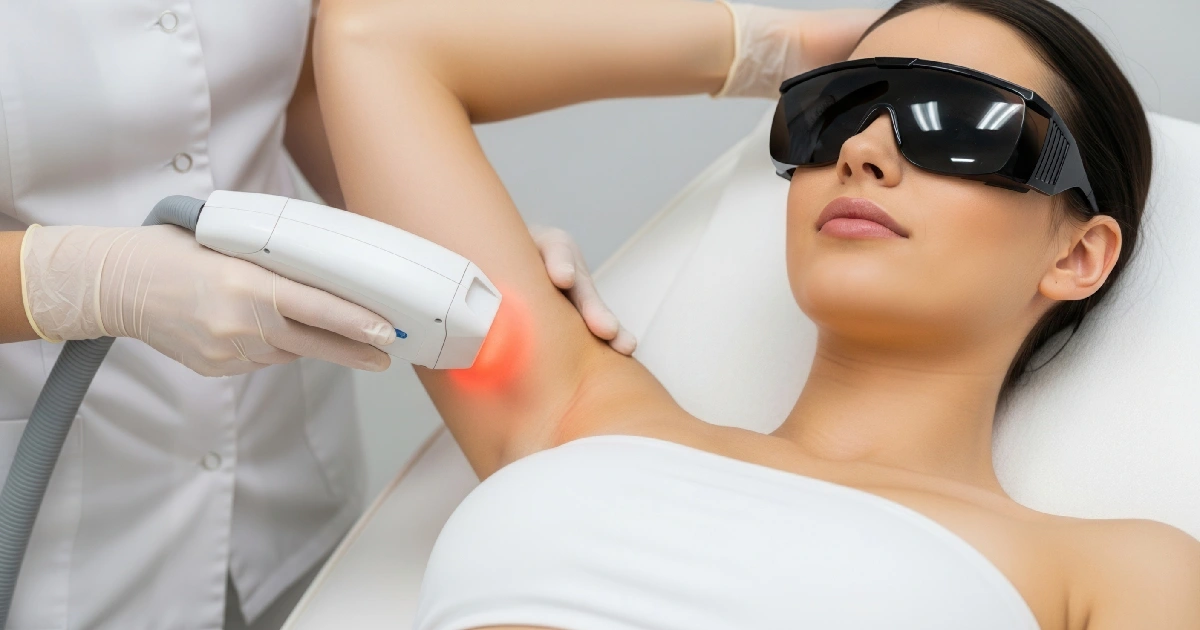
BBL (Broadband light), an advanced form of intense pulsed light, is a common treatment for rosacea because it can reduce background redness and small vessels for many patients over a series of sessions. It doesn’t cure rosacea, though. As a rosacea redness treatment, it works best alongside trigger management and, when needed, prescription care.
Visible Broken Capillaries and Small Red Spots
Fine red lines and small red spots are concentrated in specific vessels rather than spread across the face. Treatment depends on the size and location of those vessels, so a provider will assess them during your consultation before recommending an option. The clinic’s overview of laser and light treatments in Sycamore has the details.
Redness Left Behind by Breakouts
Post-acne redness comes from inflammation, not just dilated vessels. BBL Clear Skin is designed to address mild to moderate acne and the inflammation behind those pink marks. Breakouts can also leave darker marks, called post-inflammatory hyperpigmentation, and options for these are chosen based on your skin tone. The Perfect Derma Peel, which includes glutathione among its ingredients, is a good option for all skin tones. For lighter skin, BBL® may also be used. Most patients need a course of treatments, and results vary.
Windburn and a Compromised Skin Barrier
Winter weather can dry the skin and leave tiny cracks in the stratum corneum, the outer skin layer. Taking a break from exfoliating and harsh active ingredients while also switching to a gentle cleanser and quality moisturizer will help restore the skin barrier. If the skin barrier is actively irritated, your provider will wait for the skin to return to a healthier state prior to recommending an energy-based treatment.
Does Your Skin Tone Change Which Redness Option Is Safest?
Yes. Providers use the Fitzpatrick skin type scale, from I (very fair) to VI (very deep), to judge how skin responds to light and heat. Broad-spectrum light such as BBL® carries more risk of pigment changes on deeper or recently tanned skin. That is why options are matched to skin tone, and a licensed medical professional assesses each patient before treatment.
Common Questions About Winter Facial Redness
Is Winter a Good Time to Start Treating Facial Redness?
Often, yes. Less sun exposure and less tan during the colder months can make winter a practical season to begin light-based care. Your provider will still check recent sun exposure first.
How Many Sessions Does It Usually Take to See Less Redness?
Most people need a series of sessions spaced a few weeks apart. The number depends on the cause, how widespread the redness is, and how your skin responds.
Can Light Treatments Be Combined With Prescription Rosacea Care?
In many cases, yes. The two are often used together, with your provider coordinating the timing, so bring a list of your medications and topicals.
Should You Stop Exercising Outdoors in Winter If Your Face Flushes?
No, winter walks and runs are still worth doing. A scarf or neck gaiter over your cheeks, daily SPF, and a gentle cleanse afterward can help limit irritation from cold and wind.
Can Hot Drinks, Alcohol, or Spicy Food Make Winter Flushing Worse?
They can for many people with rosacea. Hot beverages, alcohol, and spicy dishes are common flushing triggers, though triggers vary by person. A simple log can help you spot your own.
When Does Facial Redness in Cold Weather Need More Than a Skincare Routine?
It may be time for an evaluation if redness lasts beyond a few weeks of consistent gentle care, vessels stay visible when you aren’t flushed, your skin burns or stings often, or you notice bumps or gritty, irritated eyes. A consultation identifies the cause first, so treatment matches the actual problem.
If facial redness in cold weather feels like part of every winter, our licensed medical team at Nuvo Aesthetics Clinic can help you figure out what’s behind it. Book Your Facial Redness Treatment Today, and your visit for facial redness treatment in Sycamore, IL will start with a consultation to match the right option to your skin.
About the Medical Reviewer
Jeannine Fair, MSN, FPA, APRN, NP-C, is the owner and medical director of NUVO Aesthetics Clinic in Sycamore, Illinois. A full practice nurse practitioner, she leads the clinic’s medical aesthetics and wellness care and is a member of the American Academy of Nurse Practitioners, the International Academy of Aesthetics, and the Obesity Medicine Association.
Meet Jeannine and the NUVO provider team.
Medically reviewed by Jeannine Fair, MSN, FPA, APRN, NP-C, Owner and Medical Director. Last reviewed: November 15, 2026.